Simulating Shopping at a Store
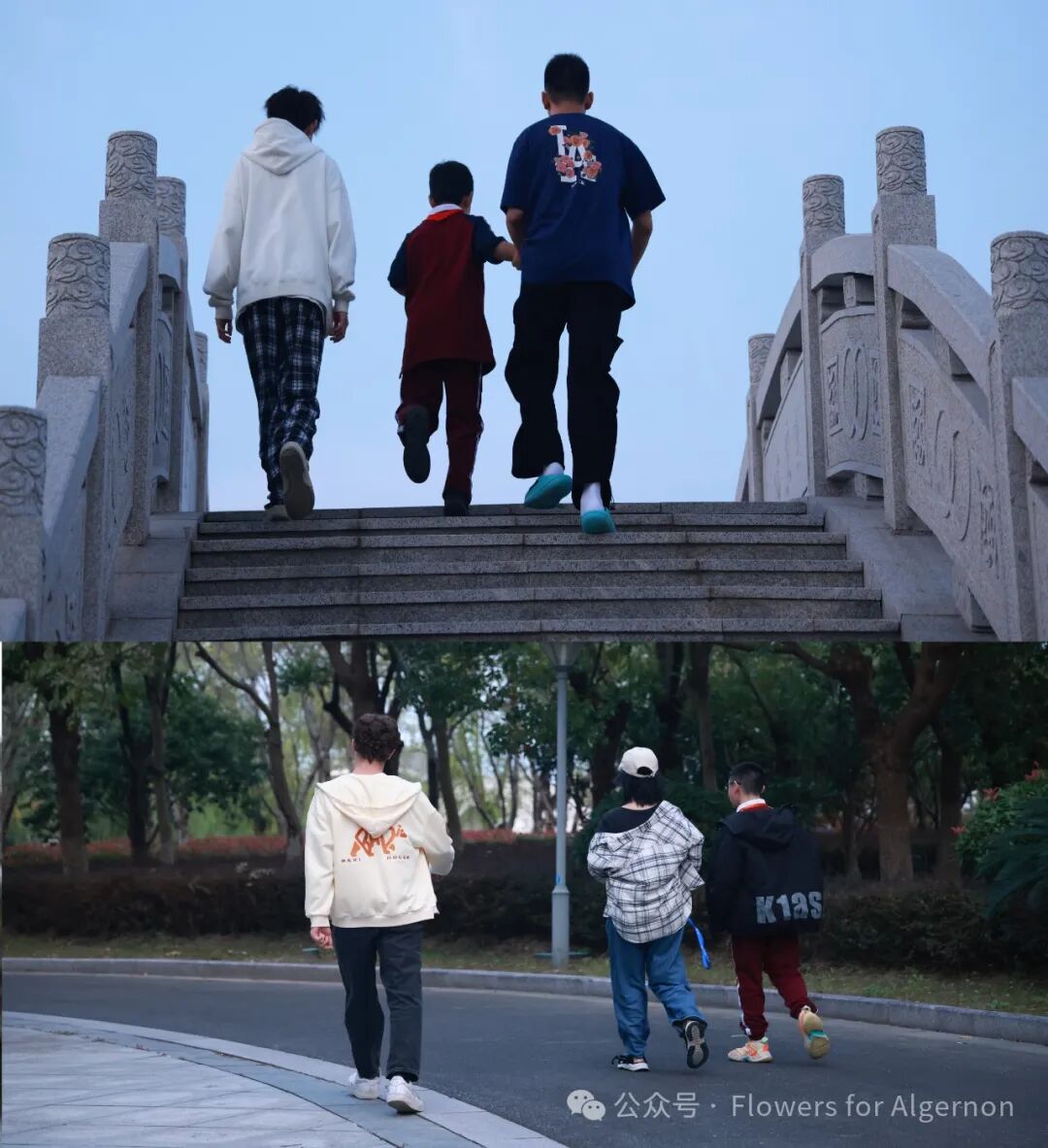
December 10, 2025 — At Changshu Special Education School, students from the “Flower for Algernon – Zhixing” group took part in their final off-campus Zhixing activity of the semester. The event aimed to let children simulate buying and selling through play, and learn about currency. During the activity, the children could not only receive fun little toys such as tin frogs, toy cars, or sticky notes by participating in the simulated market, but also learn how to use money in the process. This provided them with knowledge that will help them in real-life situations, such as purchasing items and communicating with cashiers. Let’s take a look at what our Zhixing members and the children did!
Introduction to the Activity
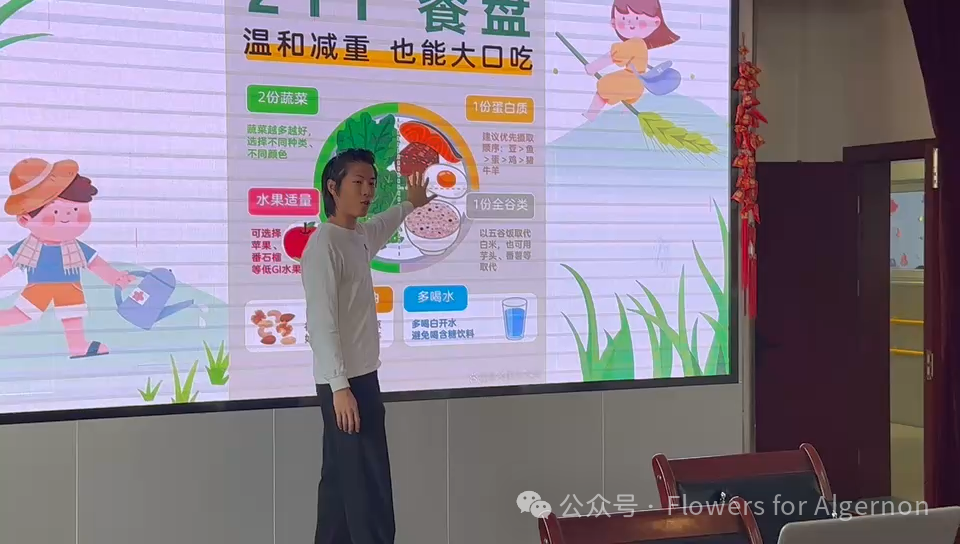
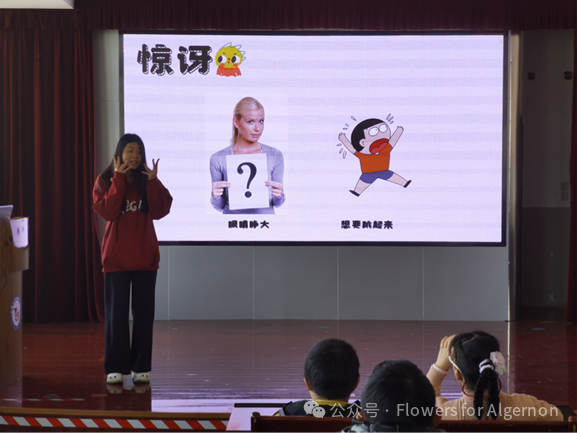
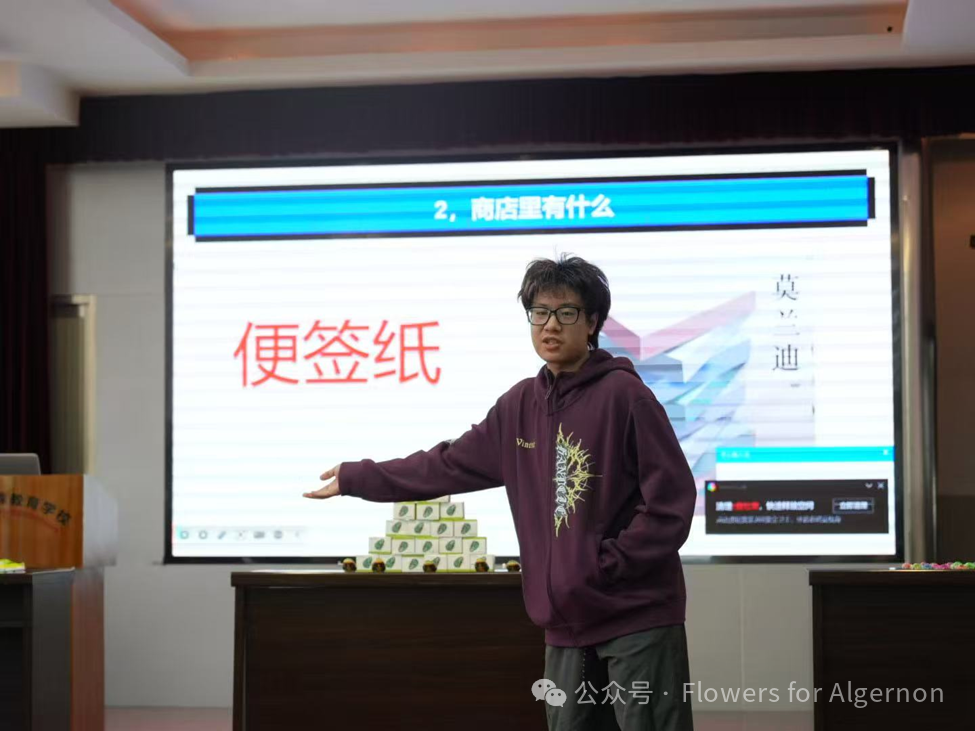
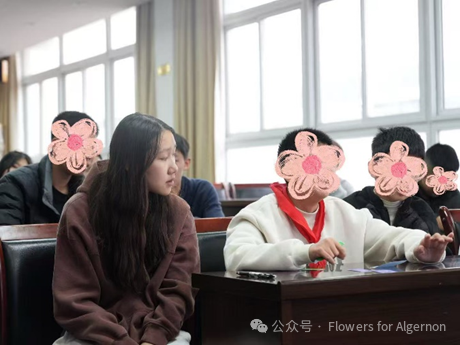
When the Zhixing members arrived at the classroom, many children were already inside, looking at the arriving older brothers and sisters with curiosity and some confusion. Although notice had been given before the event, the fact that there were even more children than Zhixing members brought both delight and surprise to the team.Before the activity began, Vincent, acting as a young teacher, introduced himself using a PowerPoint presentation and engaged the children with the question, “What gifts have you received?” as an opening. The enthusiastic responses from most of the children infected the other children and our members, making subsequent interactions proceed more smoothly.
Main Activity
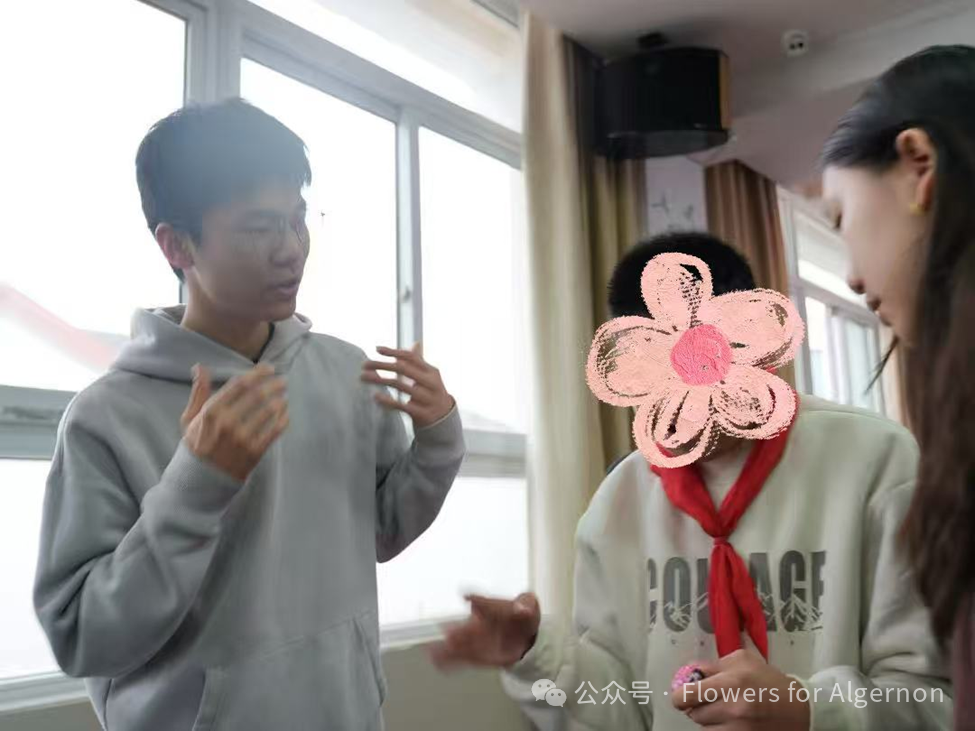
By the time the introductory part ended, three team members—Elly,Rio, and Cherster—had already set up the tables needed for the activity, displaying three types of items for the children to choose from: tin frogs, toy cars, and sticky notes. Vincent and Rio led the children in identifying these toys from the front, while Elly and Chester distributed the play money materials to each group of children below. The members then explained the use of money and walked the children through the dialogue with a cashier, word by word.The children’s eager words and excited smiles put the members at ease, and their impatient expressions showed how thrilled they were to apply what they had learned to exchange for toys.
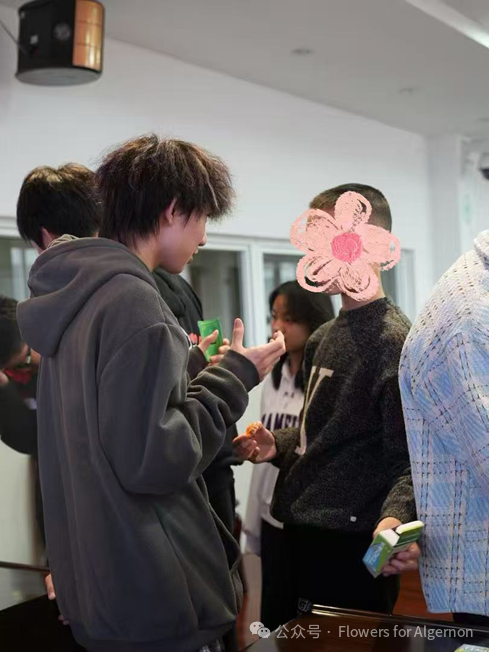
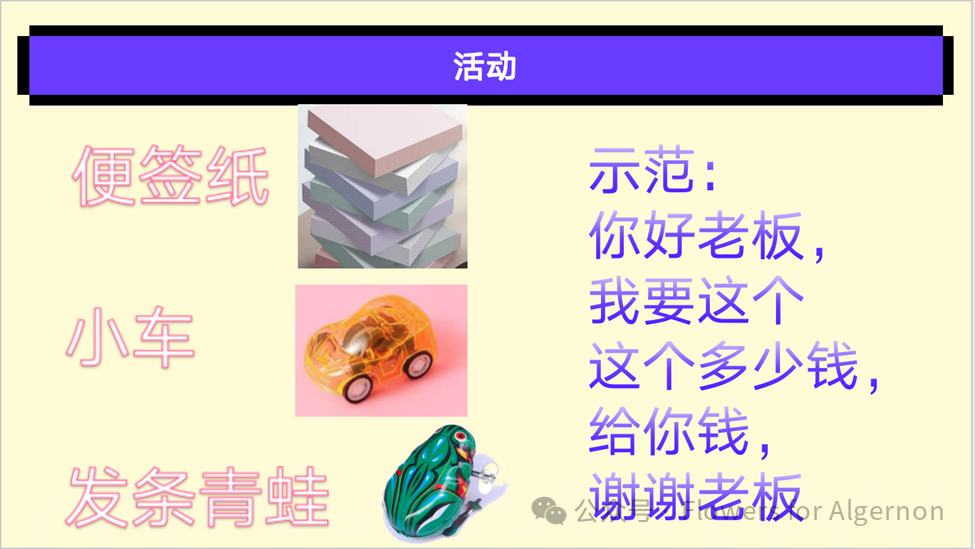
As the children responded with a confident “Yes!” to the members’ question, “Are you ready to go shopping?”, the main activity officially began. Guided by the members, the children learned to line up in an orderly manner. They formed three lines in front of the three tables and used the questions they had learned to ask the Zhixing members at each table about the prices of the toys.
After successfully obtaining the toys they wanted, they were then led by the members to two “cashier counters” role-played by two other team members, where they used the dialogue they had just learned to complete the payment step. The children improved rapidly during this segment—from stumbling at the beginning of the activity, they were able to independently complete all interactions from selection to purchase after just two or three rounds. Watching the children sincerely say “Hello” and “Thank you,” all the members broke into relieved smiles.
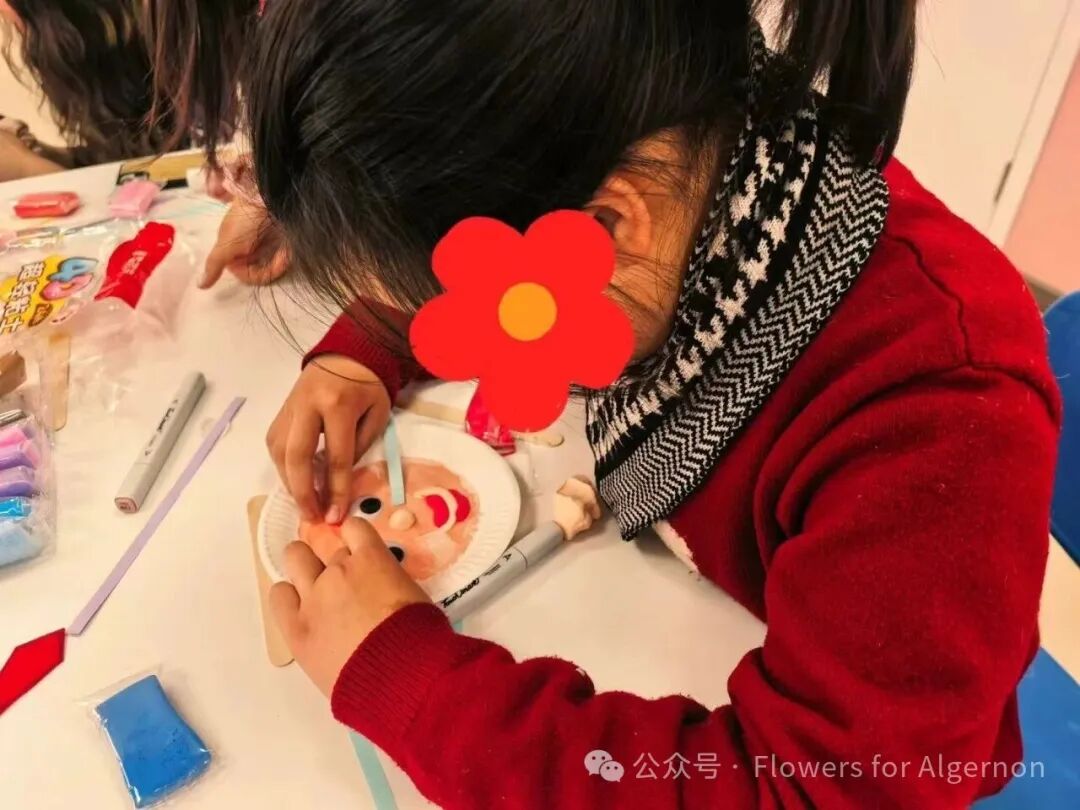
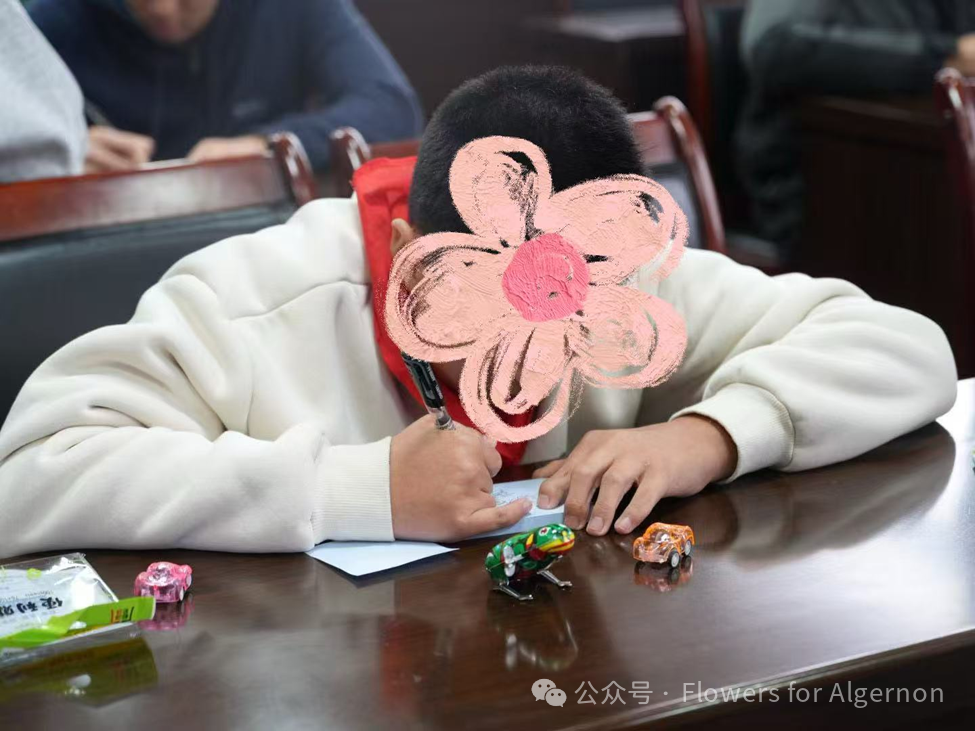
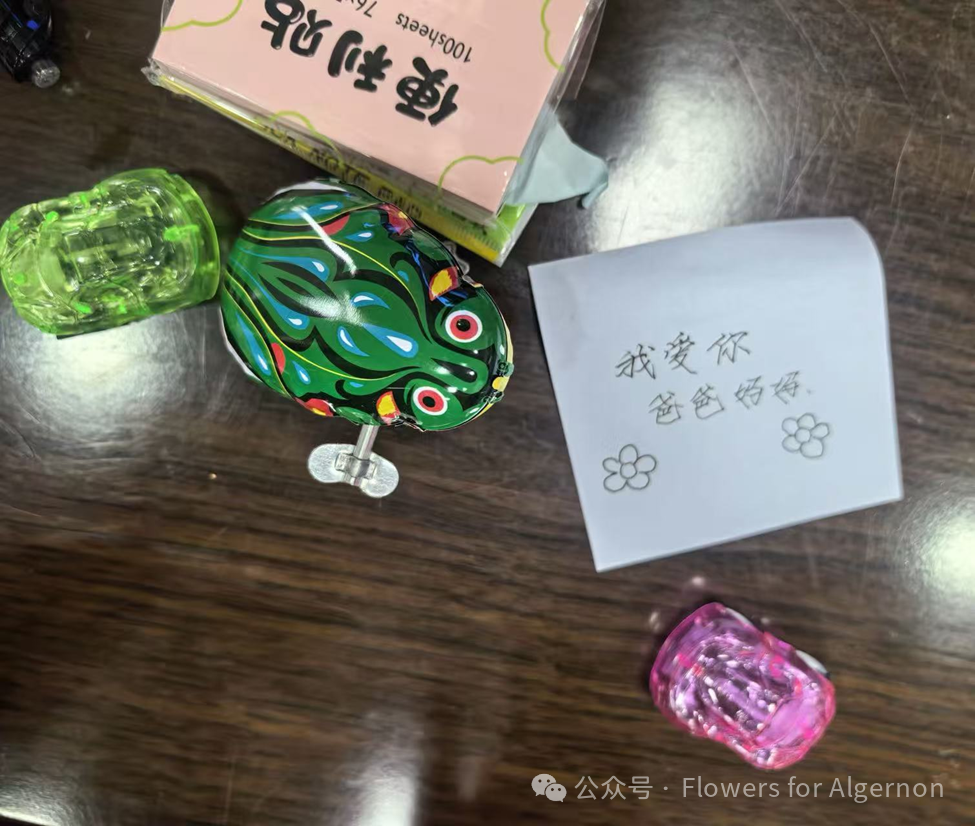
At the end of the activity, each child also received an extra sticky note. With the guidance and help of the members, they used the sticky note to write or draw blessings for their parents or grandparents, promising to give them along with the toys they had “purchased” during the day’s activity.
Summary
In this activity, through the simulated market designed by the members, the children learned how to use currency to conduct a buying and selling transaction. The event aimed not only to teach the children basic life skills but also to empower them to use these purchasing skills to gradually explore the wider world.
Author:Chester 杨子宸
Photographer: Oscar陈梓钦 & Lili
Editor:April 杨佳炘
——End——