Winter Fun, Smiles All Around: Learning Facial Features, Making a Face
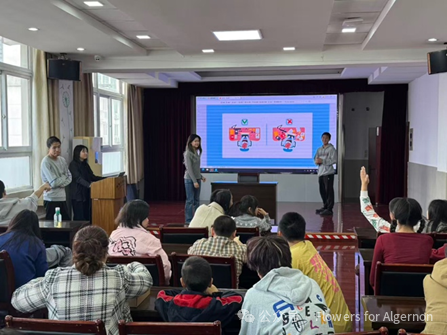
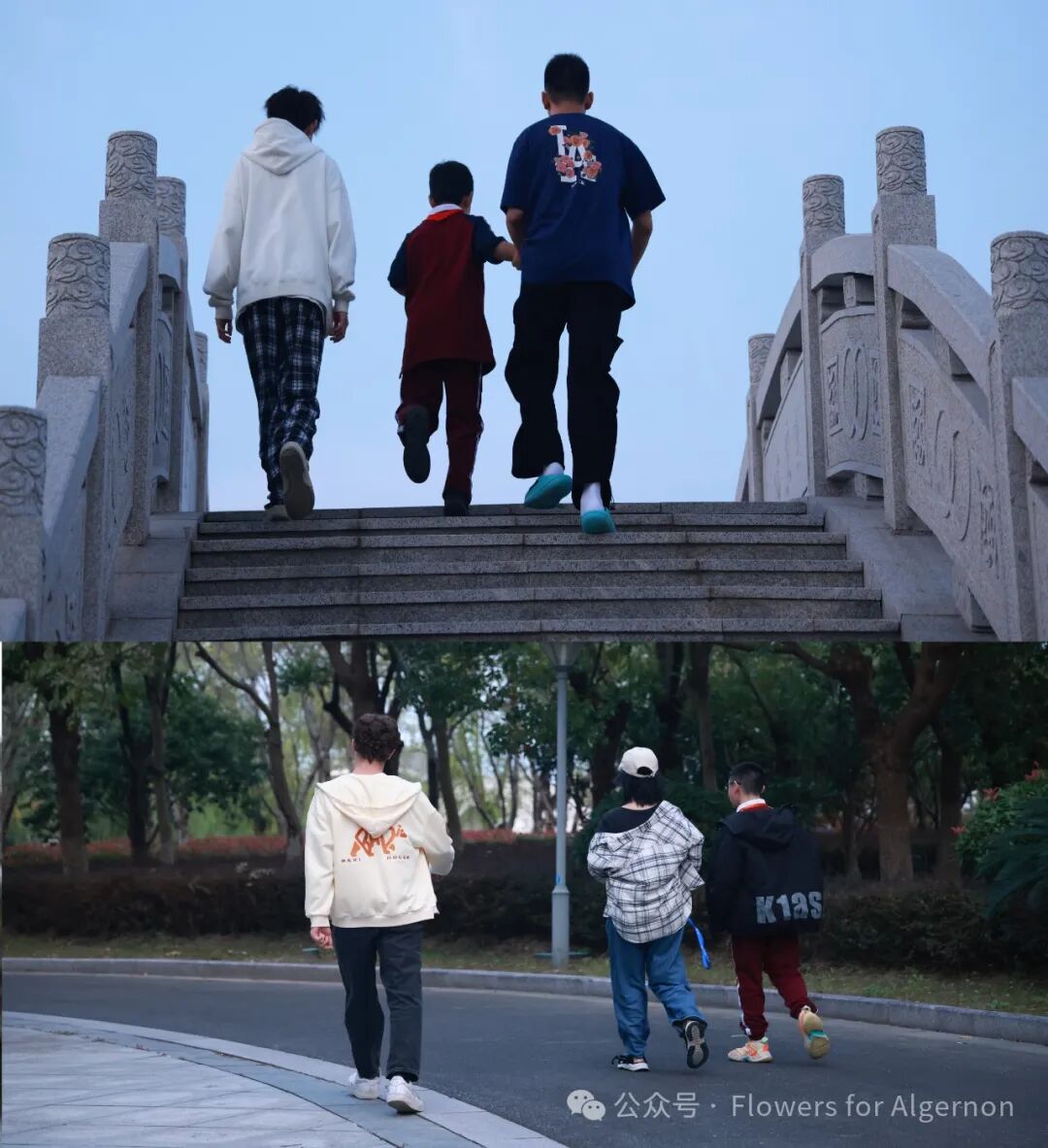
In the middle of laughter and cheerful voices, FFA members turned “getting to know yourself” into a small activity that children could clearly see and touch. Recently, we visited Little Snail and did crafts with the children. Through making things together, we helped them learn facial features, express themselves, and create a handmade “big brother/big sister” portrait to take home.
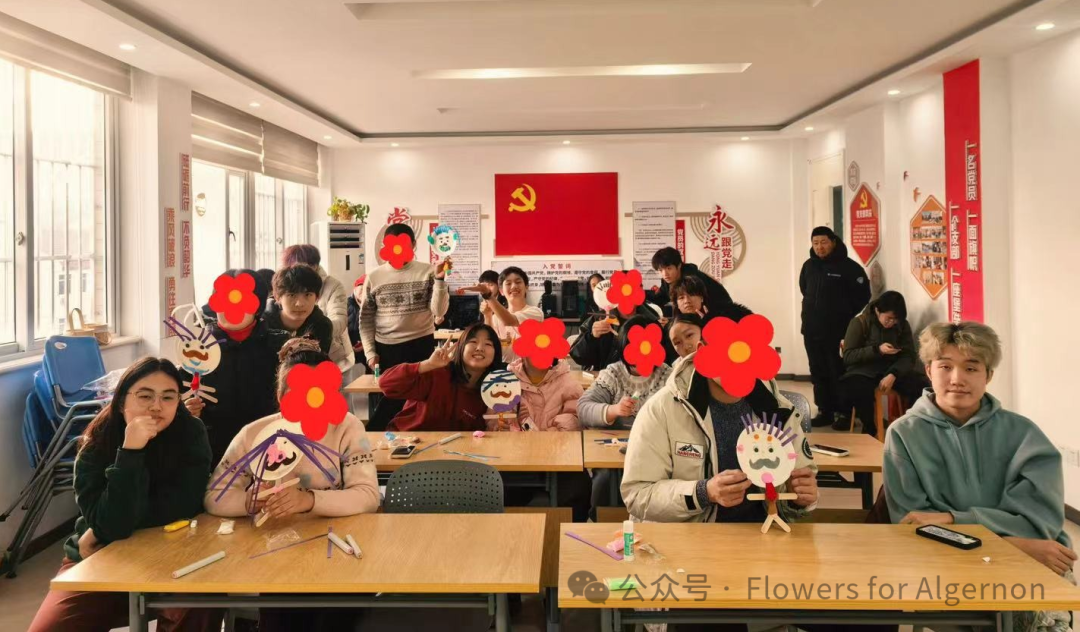
Getting to Know Facial Features
After the host’s opening, we started with a warm-up: a fun children’s song video about facial features. The children followed the music by touching their eyes, tapping their noses, and pointing to their mouths. Volunteers stayed next to each child and gave gentle prompts, guiding them step by step. We also encouraged the children to point to their own faces, so they could build a basic understanding of where facial features are. As the song repeated, the children became more confident, and the classroom grew more lively.
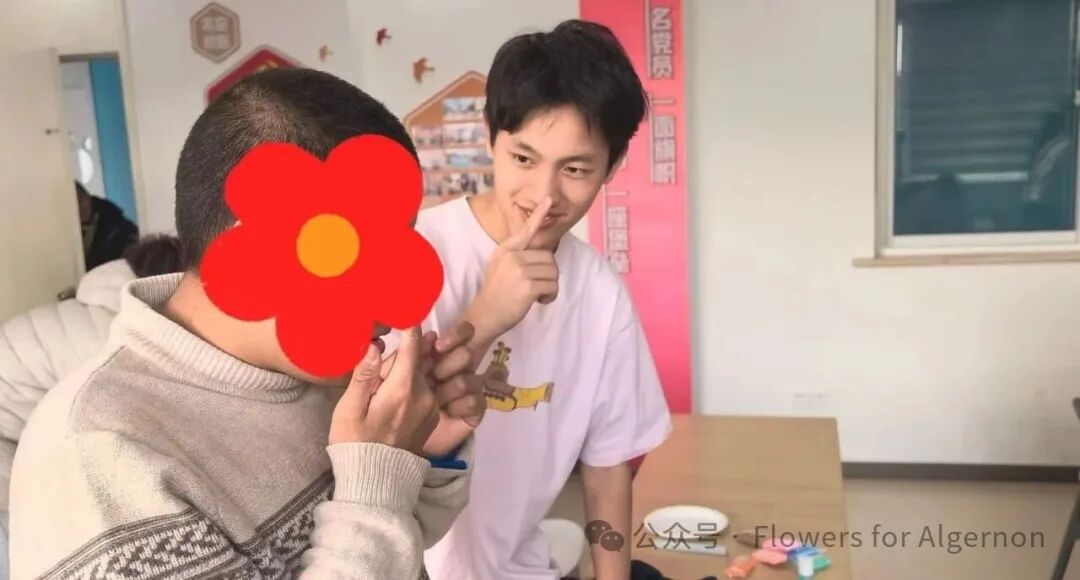
Main Activity
Drawing
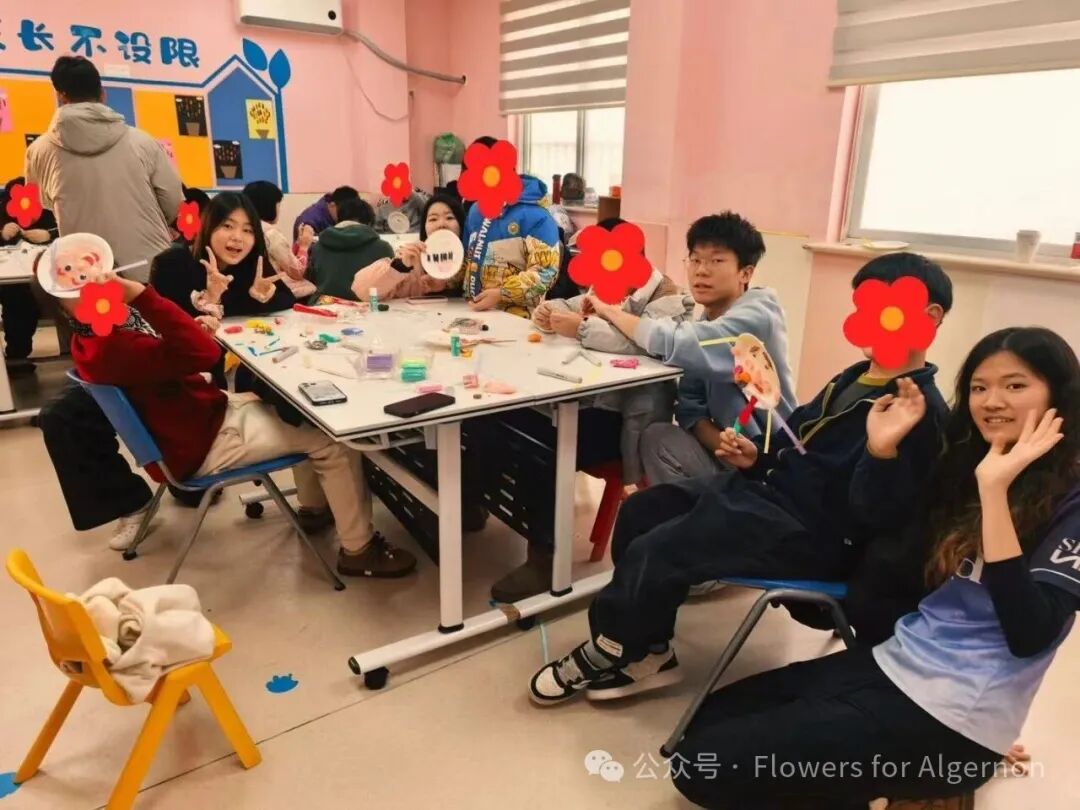
After the warm-up, we moved into the craft part. The children used a paper plate as a “face.” First, they colored it with a skin tone. Then they used markers to draw eyebrows, a nose, and a mouth. Next, they added eye stickers and beard stickers, and finally chose colored paper strips to make hair.
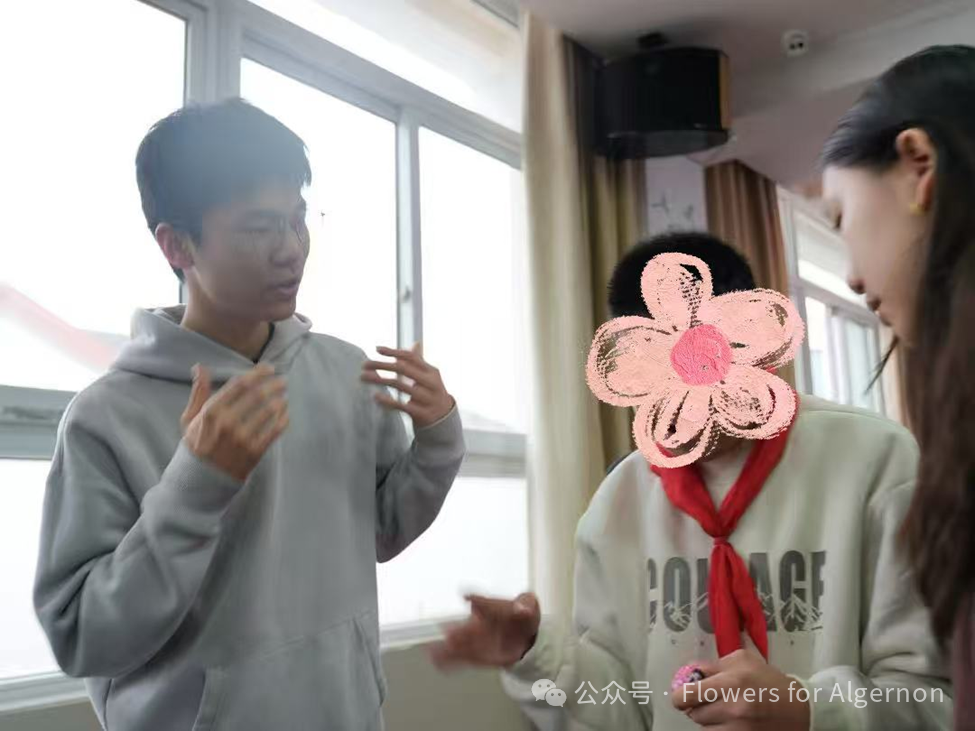
Members used simple, easy instructions to remind children where facial features usually go, but we tried not to do the work for them. We wanted every child to create in their own way. Some children drew big smiles, some made long, flowing hair, and some even added special details like a tie for their “big brother/big sister.” Every piece was different, lively, and full of imagination.
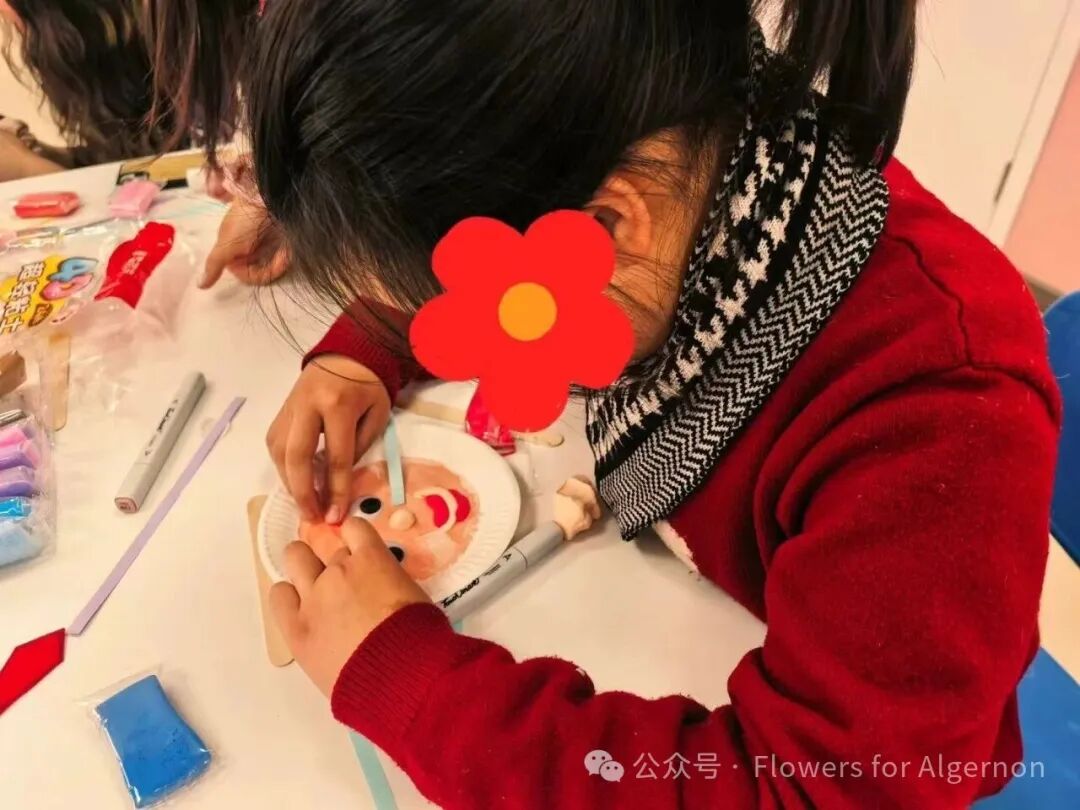
Adding More Details
We then helped the children turn the plate into a little figure, so the artwork could feel more “alive.” After the face was finished, the children used clay to fix wooden sticks and make a body, then attached the “face” on top. At the end, they could choose extra decorations like glasses or hats.
For steps that needed more strength—especially pressing and fixing the clay—members helped the children while also reminding them about safety and cleanliness. When the little figure was finished, it became more than just a craft. It was the child’s own handmade portrait of their FFA “big brother/big sister.” Seeing the smiles on the children’s faces, members also felt the real value of being there with them.
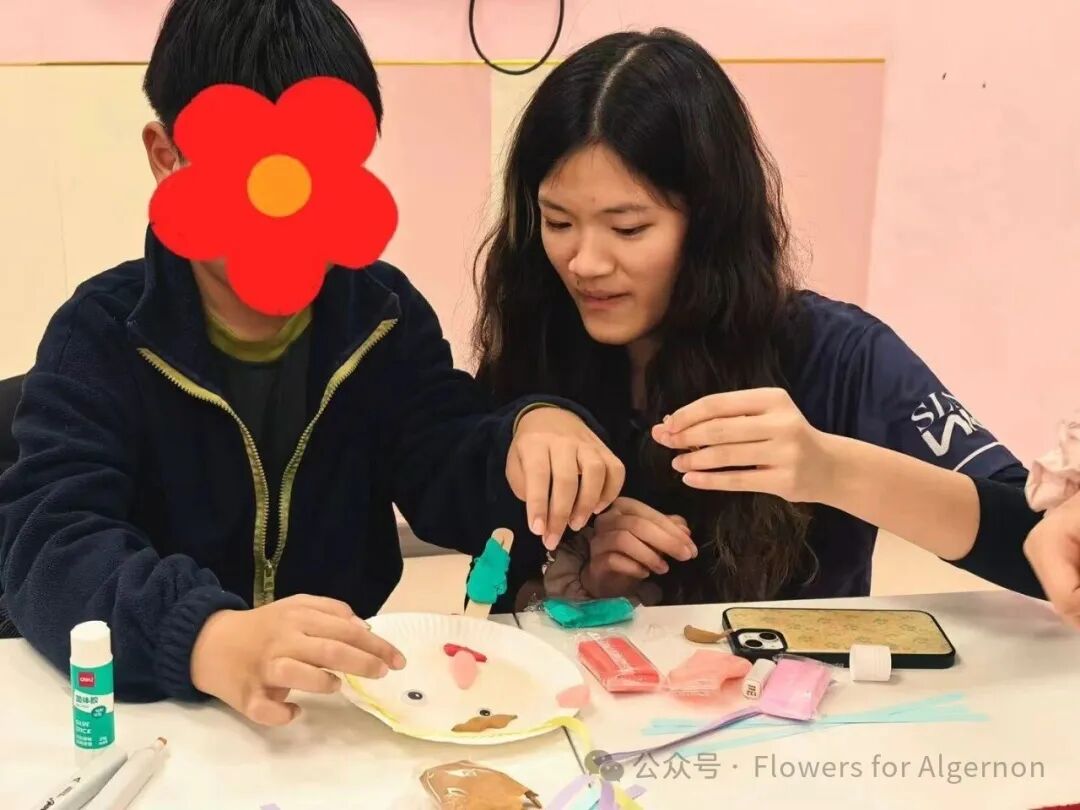
Showcase
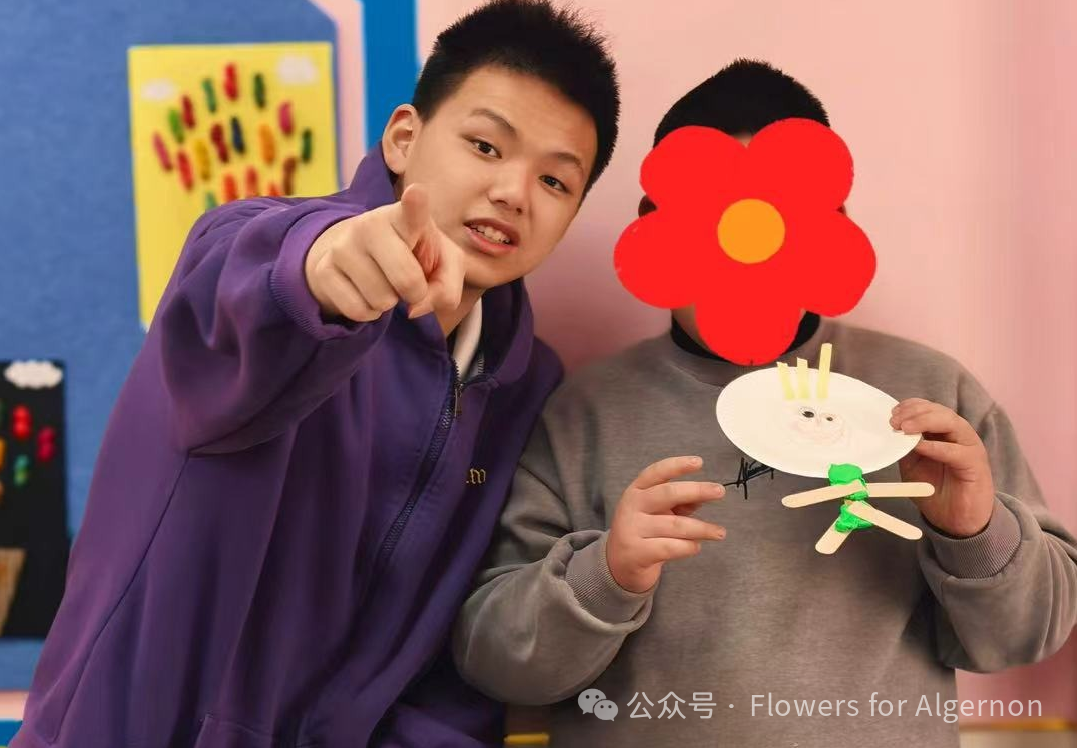
After the activity, we invited each child to stand with their paired member and show their work. The children also pointed out where the eyes were, where the nose was, and where the mouth was.
Some children couldn’t wait to share, while others were still a little shy. But we believe that with enough time and encouragement, they will feel more confident to express themselves, present, and share. We also hope these “big brother/big sister” images can continue to stay with them as they grow.
Summary
One activity is short, but companionship can last much longer. In the future, we will keep designing more interactive activities that fit children’s needs. With patience, respect, and support, we hope every meeting will be meaningful.
Author:Ziyu 周子钰
Photographer:Lili
Editor:April 杨佳炘
——End——